
研究成果
Automated seismic event detection considering faulty data interference using deep learning and Bayesian fusion
Abstract: Structural health monitoring (SHM) aims to assess civil infrastructures’ performance and ensure safety. Automated detection of in situ events of interest, such as earthquakes, from...
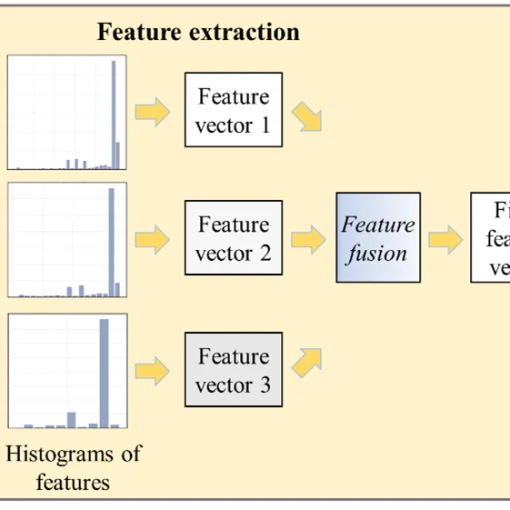
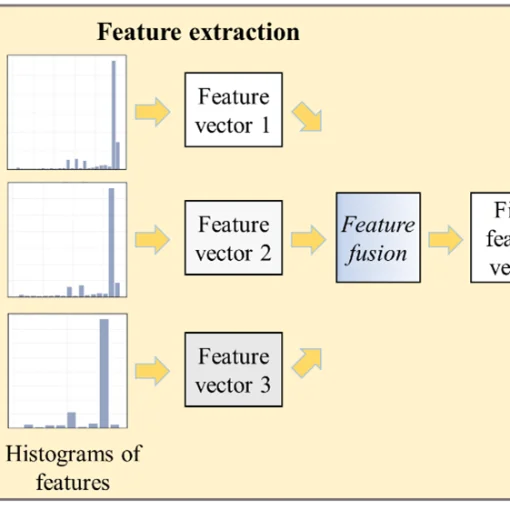
Data anomaly detection for structural health monitoring by multi-view representation based on local binary patterns
Abstract: Structural health monitoring (SHM) systems provide opportunities to understand the structural behaviors remotely in real-time. However, anomalous measurement data are frequently collected...
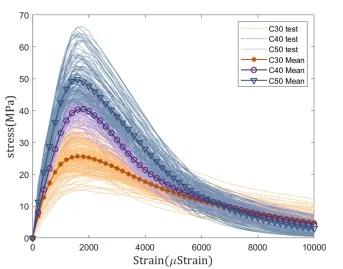
A data-driven multi-scale constitutive model of concrete material based onpolynomial chaos expansion and stochastic damage model
Nonlinearity and randomness are two intrinsic characteristics of the mechanical behavior of concrete material. The structural response under large excitation can barely be predicted without...
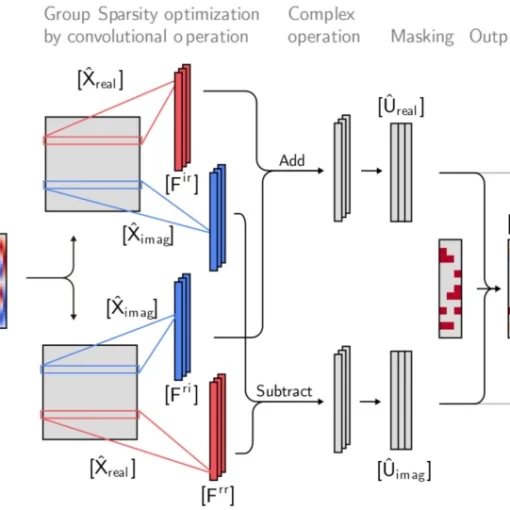
Machine-learning-based methods for output-only structural modal identification
Abstract:In this study, we propose a machine-learning-based approach to identify the modal parameters of the output-only data for structural health monitoring (SHM) that makes full use of the...
Clarifying and quantifying the geometric correlation forprobability distributions of inter-sensor monitoring data: Afunctional data analytic methodology
Abstract: In structural health monitoring (SHM), revealing the underlying correlations of monitoring data is of considerable significance, both theoretically and practically. In contrast to the...
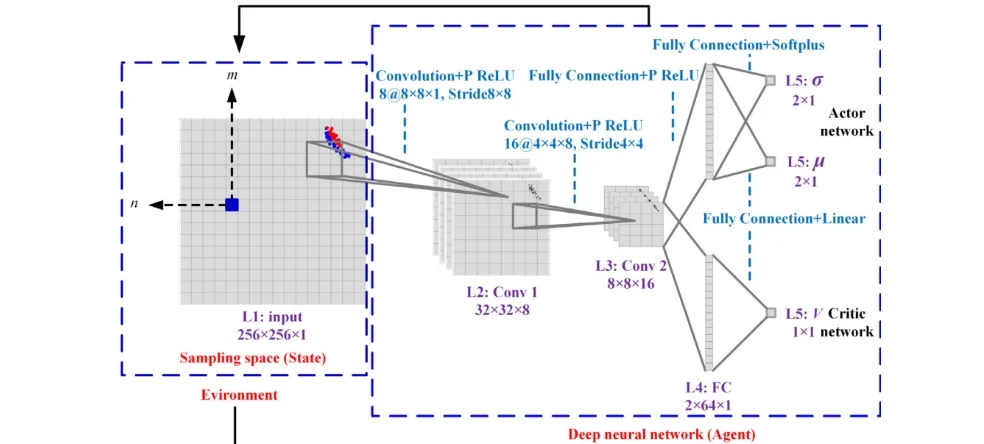
Deep reinforcement learning-based sampling method for structuralreliability assessment
Abstract: Surrogate model methods are widely used in structural reliability assessment, but conventional sampling methods require a large number of experimental points to construct a surrogate model....
Compressive-sensing datareconstruction for structural healthmonitoring: a machine-learningapproach
Compressive sensing has been studied and applied in structural health monitoring for data acquisition and reconstruction, wireless data transmission, structural modal identification, and spare damage...
The state of the art of data science and engineering in structural health monitoring
Abstract:Structural health monitoring(SHM) is a multi-discipline field that involves the automatic sensing of structural loads and response by means of a large number of sensors and instruments,...
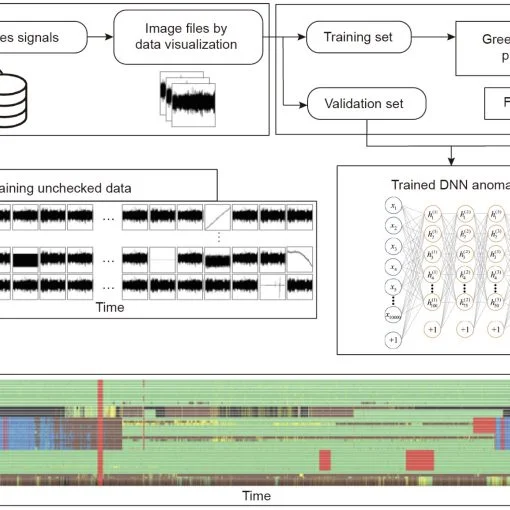
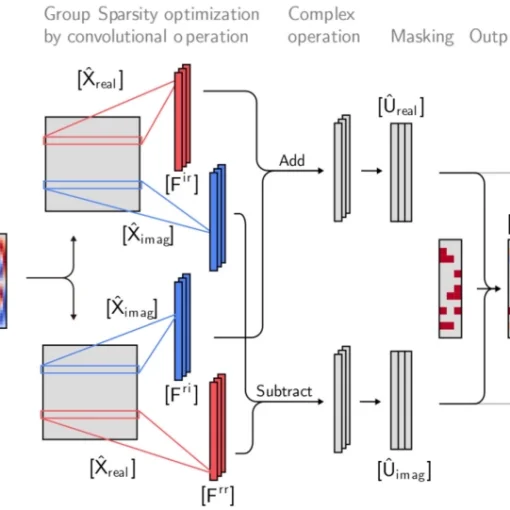
Group sparsity-aware convolutionalneural network for continuous missingdata recovery of structural healthmonitoring
Abstract:In structural health monitoring, data quality is crucial to the performance of data-driven methods for structural damage identification, condition assessment, and safety warning. However,...
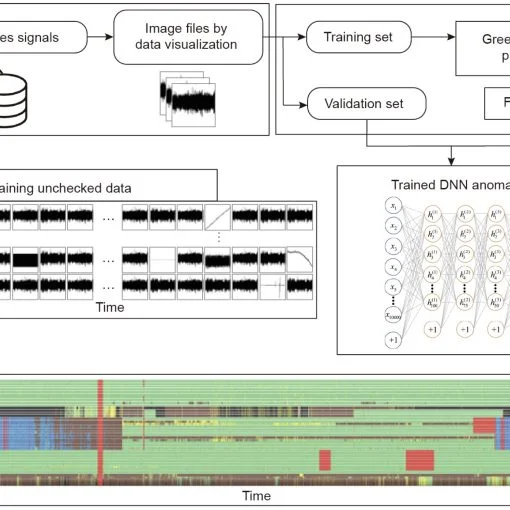
An interpretable deep learning method for identifying extreme events under faulty data interference
Abstract:Structural health monitoring systems continuously monitor the operational state of structures, generating a large amount of monitoring data during the process. The structural responses of...